Make Offerings

Make an Offering, Share Blessings

Make offerings to cultivate generosity, gratitude, and spiritual growth. Each act—whether light, flowers, or incense—brings clarity, peace, and merit to yourself and all beings. Daily or on auspicious days, your gestures create positive energy and blessings for all.

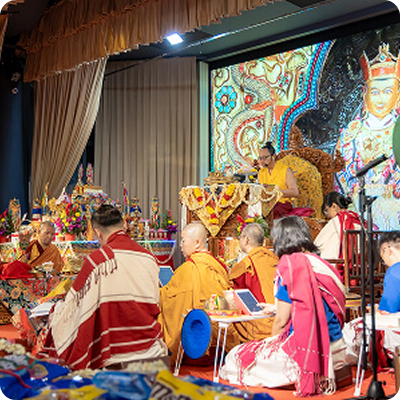
Shrine Offerings

Make offerings at the temple shrine to accumulate merit and deepen your connection with the Buddhas and Bodhisattvas. Each act of offering is a gesture of gratitude, devotion, and the aspiration to benefit all beings.

Light Offerings

Offering light symbolises the dispelling of darkness and ignorance, bringing wisdom, clarity, and harmony into your life. With each light you offer, you illuminate the path for yourself and others.

Auspicious Days

On auspicious days such as Buddha’s anniversaries and holy days, special offerings and practices multiply the blessings and merits you can dedicate to yourself, your loved ones, and all beings.

Other Offerings

From daily offerings to unique opportunities, every offering is a chance to cultivate generosity and create positive conditions for peace, happiness, and spiritual growth.

Back

Make Offering

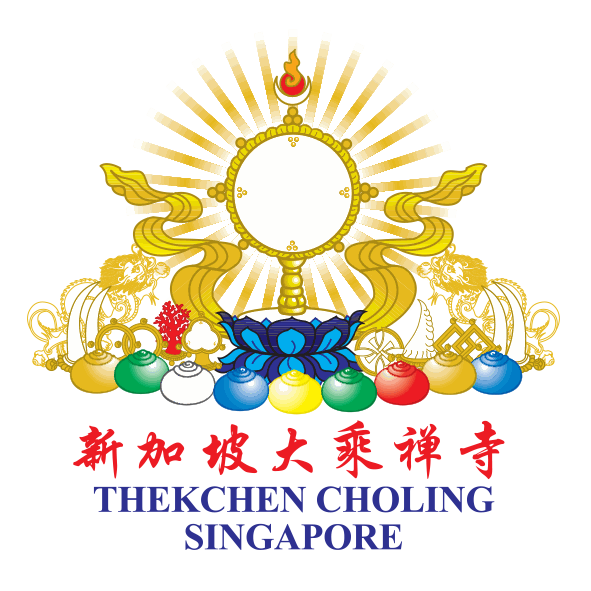
Sacred Mirror

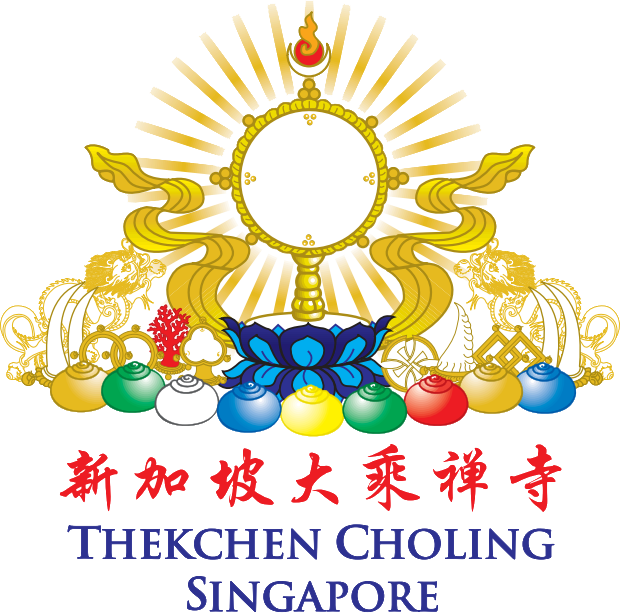
The Sacred Mirror represents consciousness and the element of space. Clear, pure and bright, the mirror reflects all phenomena objectively without bias, thereby reminding us to practice objectivity and to rise above our judgmental minds. On a more subtle level, it reflects the Buddha’s core teaching of emptiness – that nothing exists on its own side without a dependent arising cause.

Pinnacle of the mirror

The pinnacle of the mirror, formed by the white crescent moon, flaming red sun and an orange flame of fire, represents the completion stage of Vajrayana practice.

Light Rays

The light rays radiating from the Sacred Mirror represent the flourishing of the Buddha’s teachings, fanning out to the furthest reaches of the universe.

Full Moon Disc

The moon disc represents Bodhicitta, the aspiration to become a Buddha to benefit all sentient beings.

Blue Lotus

Divinely fragrant, blue lotuses bloomed only in the Buddha’s time. By incorporating it into the temple’s logo, it is symbolic of the ever-present Buddha in Thekchen Choling. Moreover, a lotus flower represents purity, perfection, compassion and renunciation, similar to how the beautiful lotus remains untainted even though it had arisen out from the muddy waters.

Nine Precious Jewels

These nine precious jewels represent the Guru, Buddha, Dharma, Sangha, yidam or mind-seal deity, Dharma protector, the sky, earth, and the human realm.

Two Dragons

The two dragons represent continuity and harmony and create the cause for the temple to enjoy the strong support of members and benefactors for Dharma to flourish.

Golden Khata

The flowing golden khata represents the auspicious increase of all Dharma activities.

The Seven Gems of the Chakravartin or a Wheel-Turning King

1. The precious horse represented by a unicorn’s horn

2. The precious elephant represented by its tusks

3. The precious queen represented by round golden earrings

4. The precious minister represented by square golden earrings

5. The precious general represented by a pair of crossed swords

6. The precious jewel represented by the triple-eyed gem

7. The precious Dharma wheel represented by a branch of coral