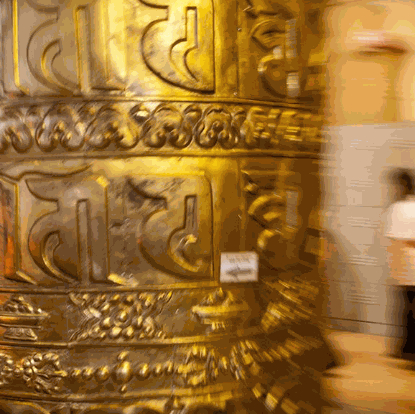
There are a total of 218,844,788 mantras in the Giant Mani Wheel.
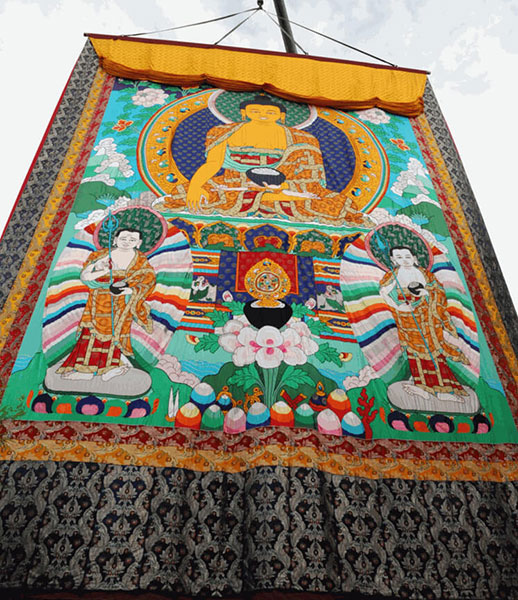
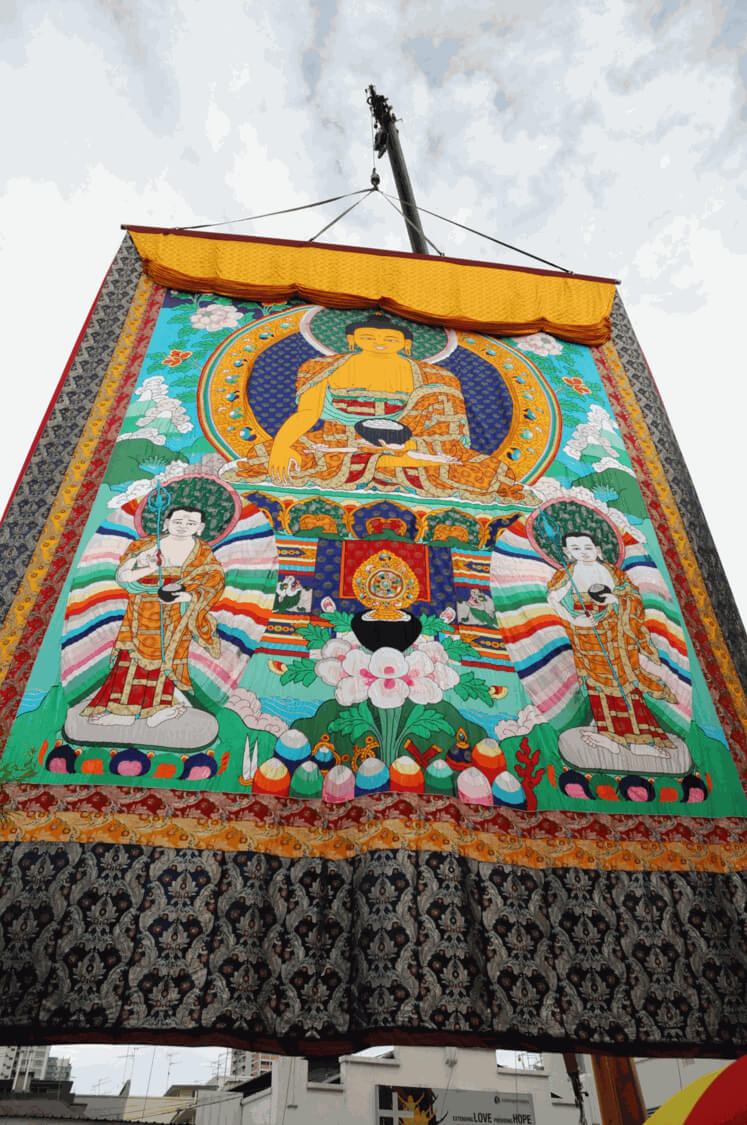
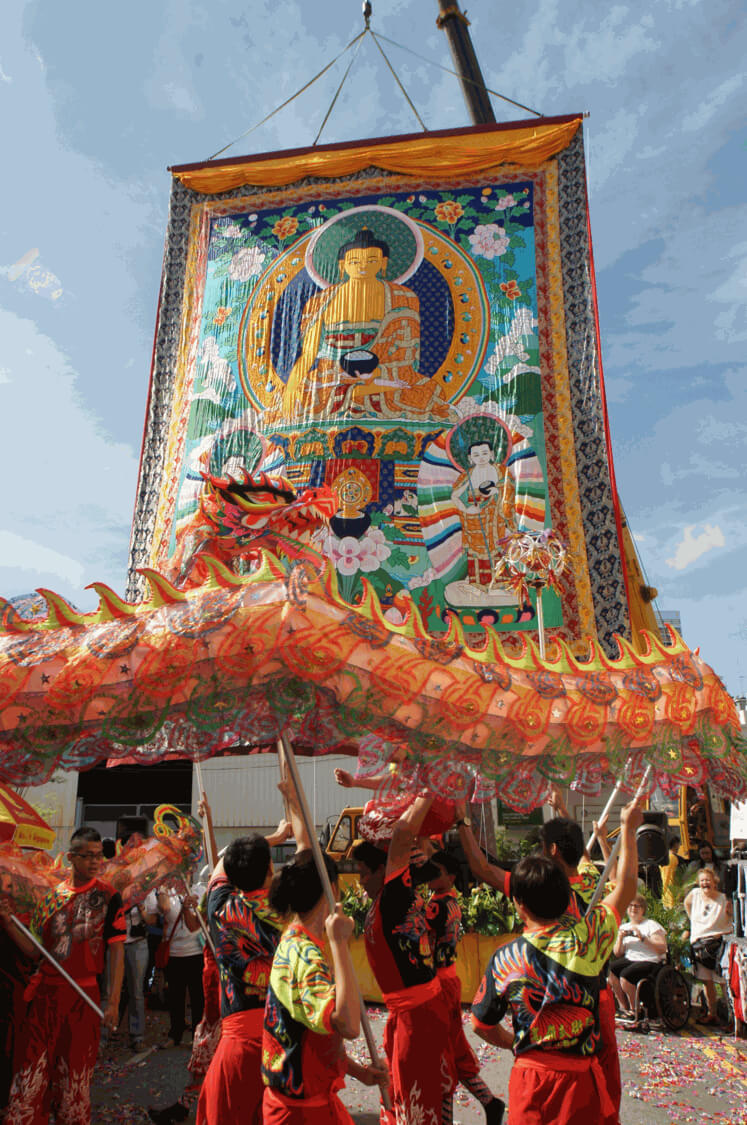
Thekchen Choling is home to a beautiful appliqué thangka depicting Shakyamuni Buddha serenely seated in the full lotus position on a throne, attended to by his two chief disciples Shariputra and Maudgalyayana. It is entirely hand-sewn from silk brocade, beads and sequins. When fully unveiled, the thangka is four storeys tall, making it the largest Shakyamuni Buddha thangka in Southeast Asia.
Mig Chenrezig is a form of Chenrezig found only in Tibetan Buddhism, and is a rarity even within the Tibetan Buddhist tradition. Little about Mig Chenrezig is documented in texts as information related to him and his practice is passed down only in the oral tradition.
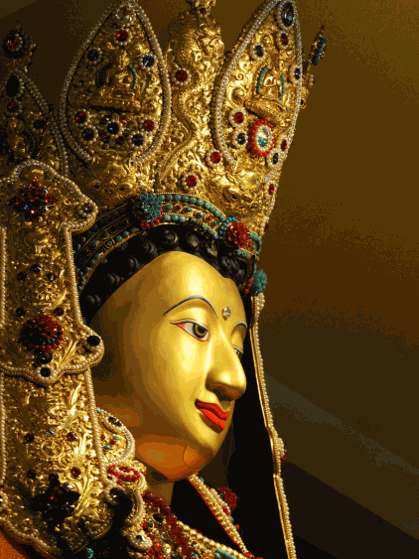
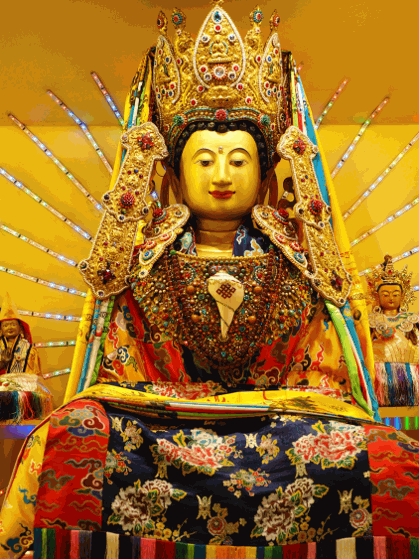
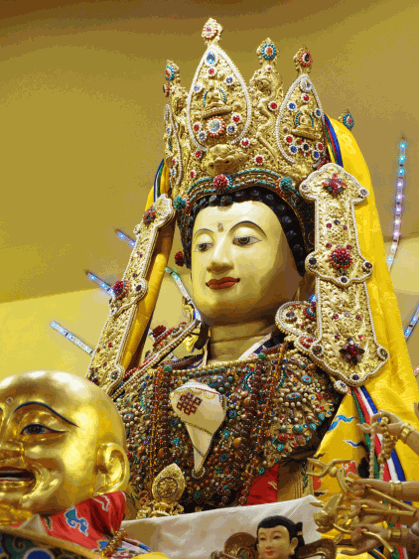
Thekchen Choling’s Mig Chenrezig is the only one in Singapore. It was specially commissioned in line with the temple’s aim to be a sanctuary of healing, as Mig Chenrezig’s main activity is healing, especially eye ailments. The practice of Mig Chenrezig focuses on both the Great Compassion and the Great Wisdom of all the Buddhas.
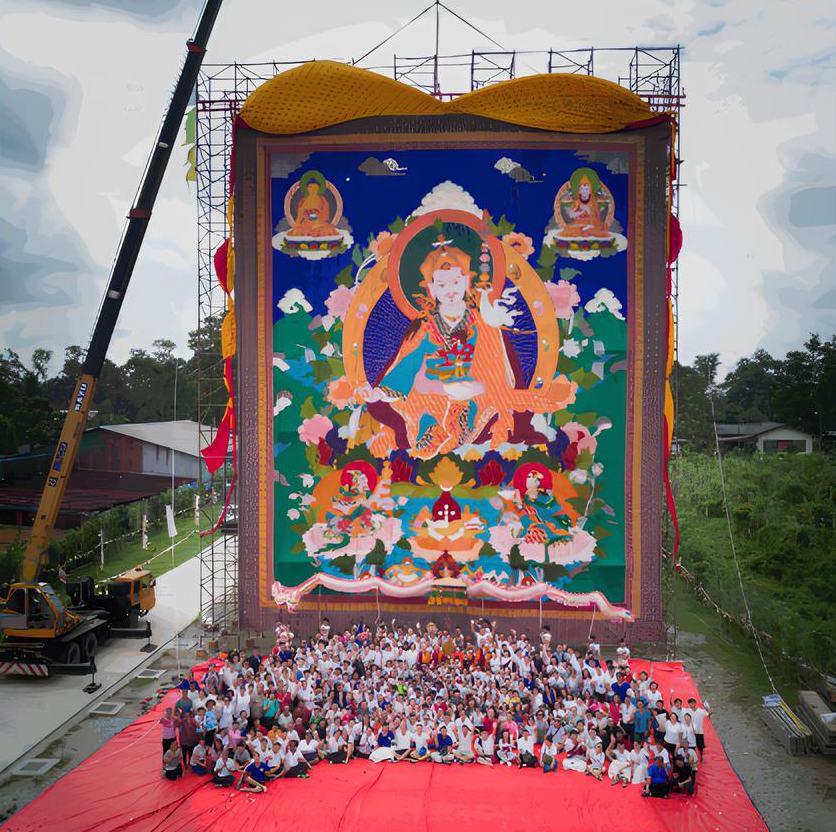
Guru Rinpoche has one main form and eight other manifestations? The main form is depicted in the thangka.
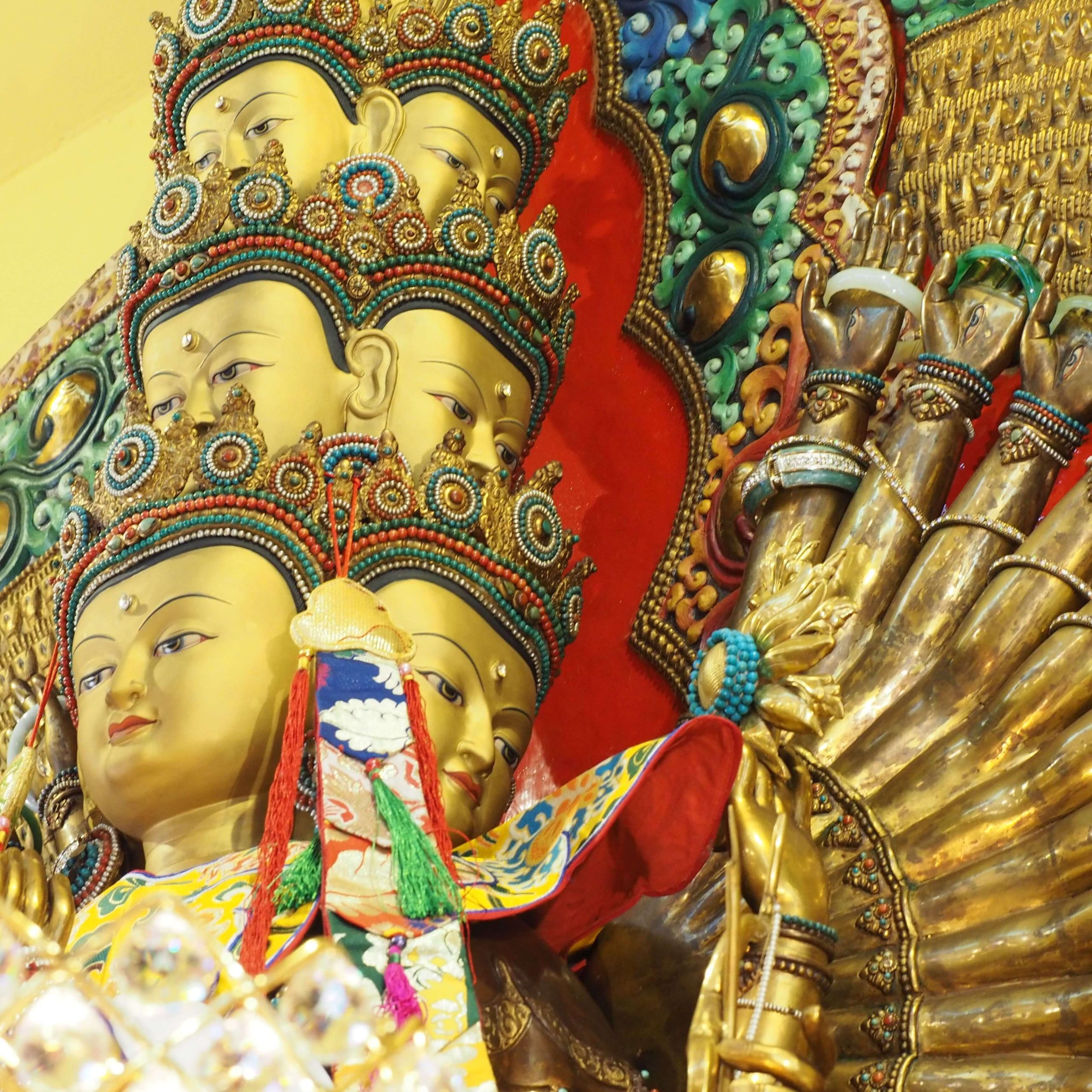
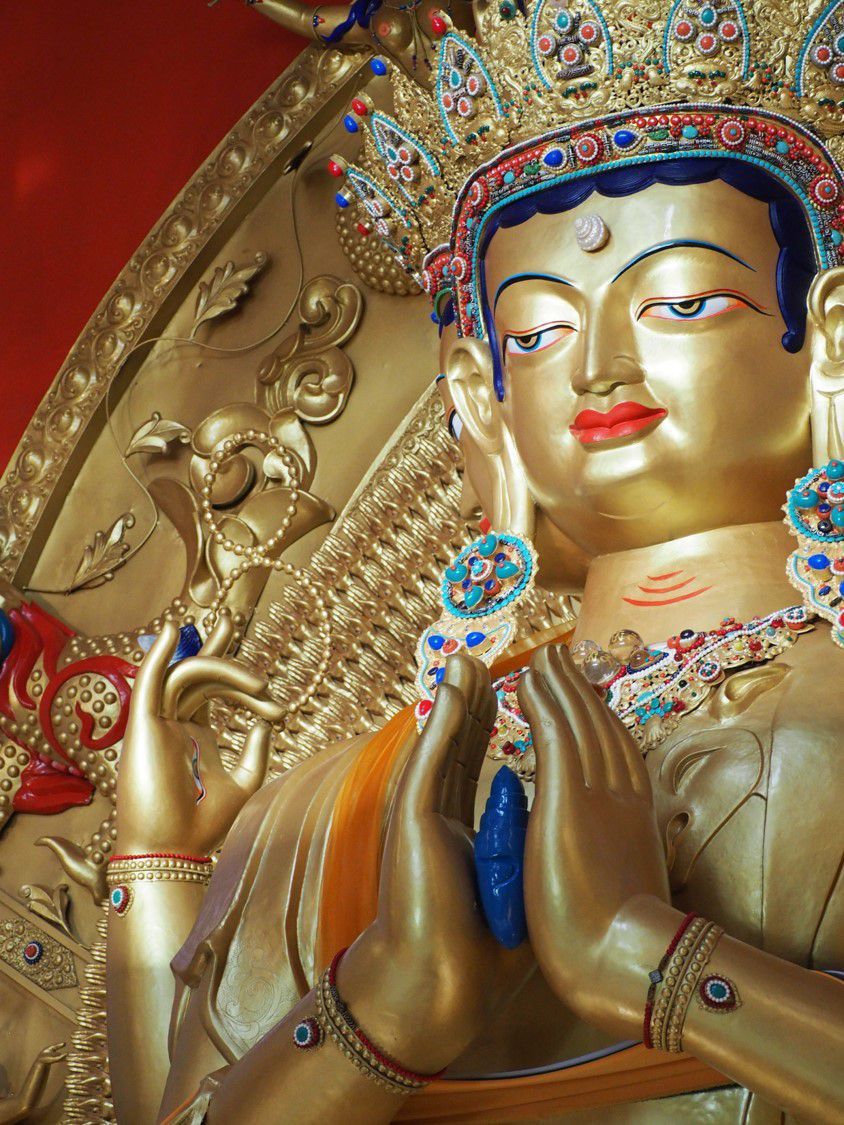
Standing at 2.3 metres, the Tibetan-style Thousand-Armed Chenrezig copper rupa is the largest of its kind in Singapore. It is crafted from copper and gilded with mercury gold. Thousand-Armed Chenrezig symbolises the Buddhas’ boundless compassion for all sentient beings – his 1,000 arms with an eye on each hand and eleven heads are to seek, reach out and help those in need.
The rupa at Thekchen Choling was offered by a devotee who felt a special connection with Thousand-Armed Chenrezig. She sold off her jewellery collection to raise the funds needed to make the rupa, following deeply felt inspiration from Chenrezig. It was subsequently consecrated at the temple through the generosity of Sangyum Namdrol Lhamo.
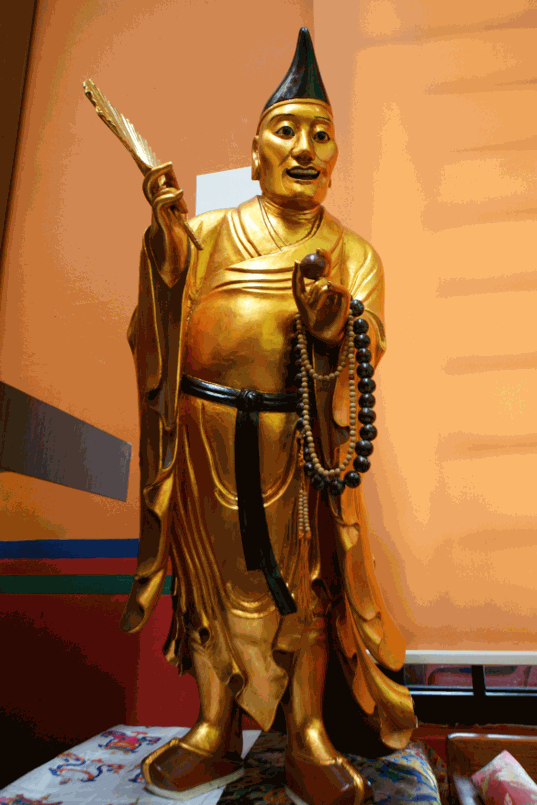
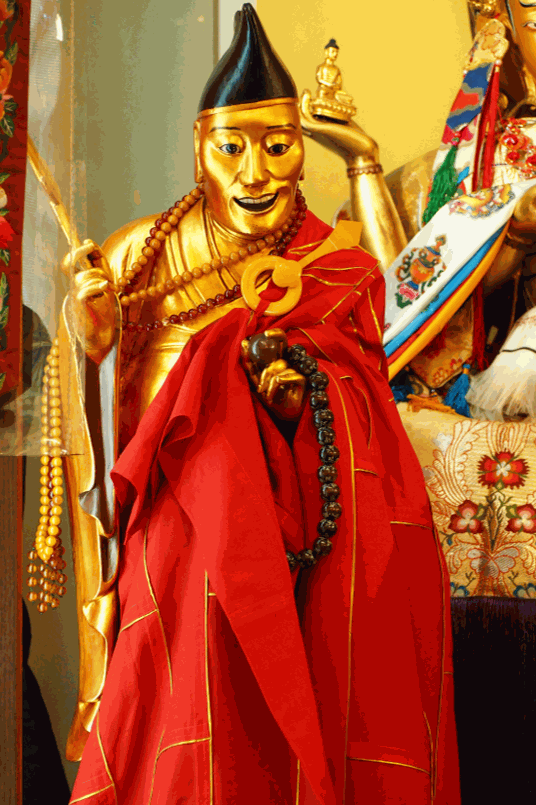
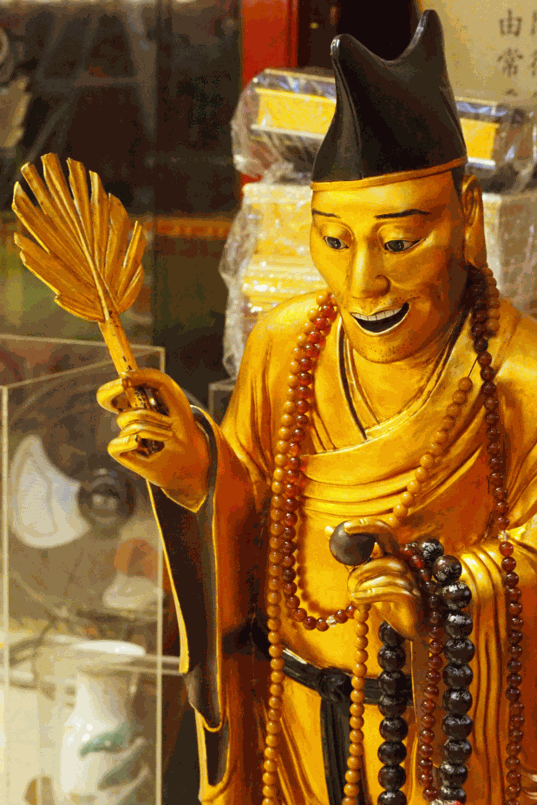
When Thekchen Choling acquired its current premise from the previous occupants (custodians of a Jigong temple), one of the sacred objects it inherited was a Jigong Rupa.
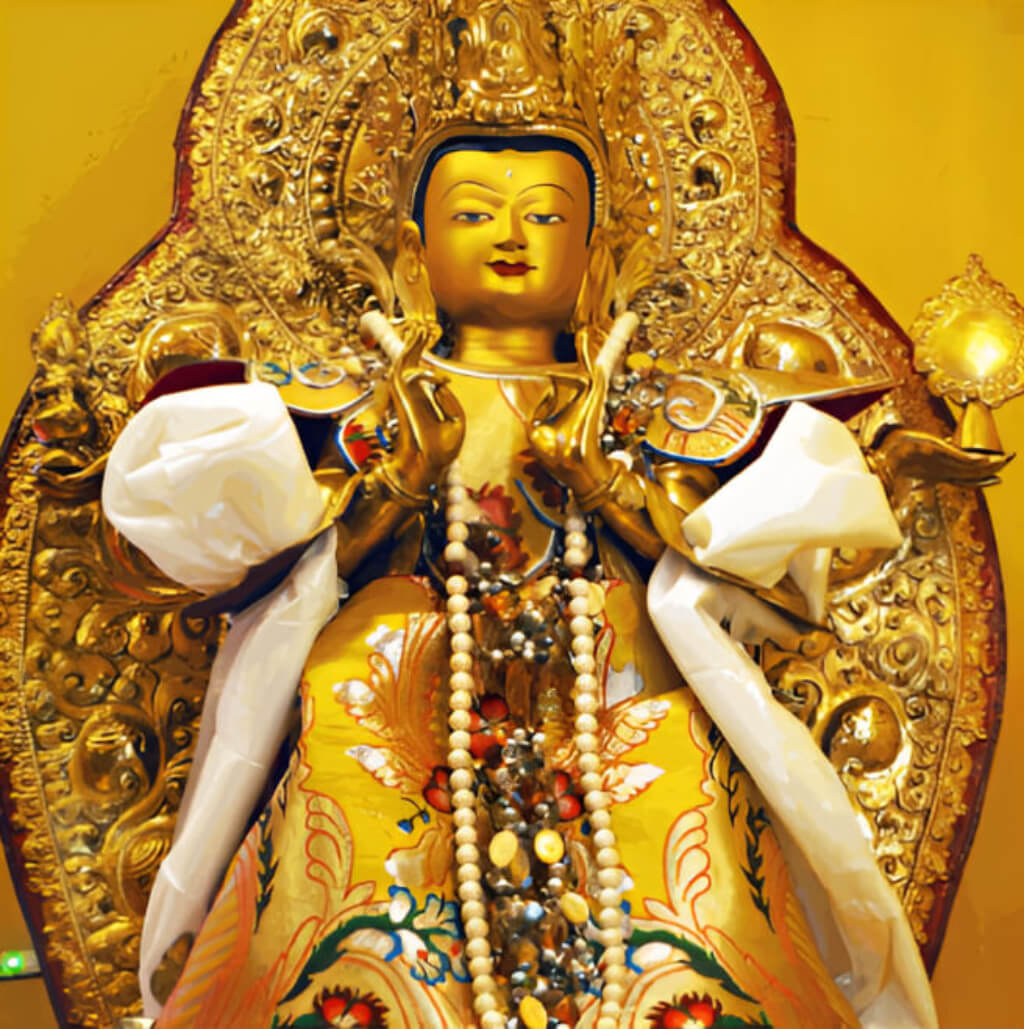
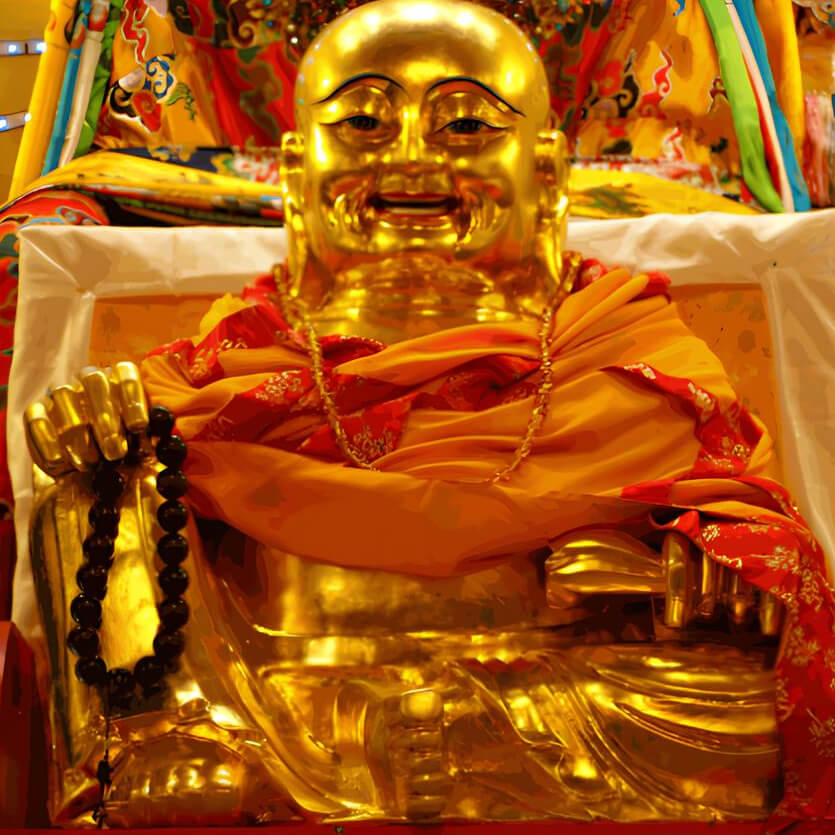
This antique Maitreya Arhat rupa, which is estimated to be about 200 years old, was offered to Singha Rinpoche at Thekchen Choling (Singapore) by a devotee.
The name Maitreya means “loving kindness” in Sanskrit. Arya Maitreya is a bodhisattva (one who purposely takes rebirth in samsara to benefit sentient beings) who will appear in the future, achieve complete enlightenment, and teach the Buddhadharma just as Shakyamuni Buddha did.
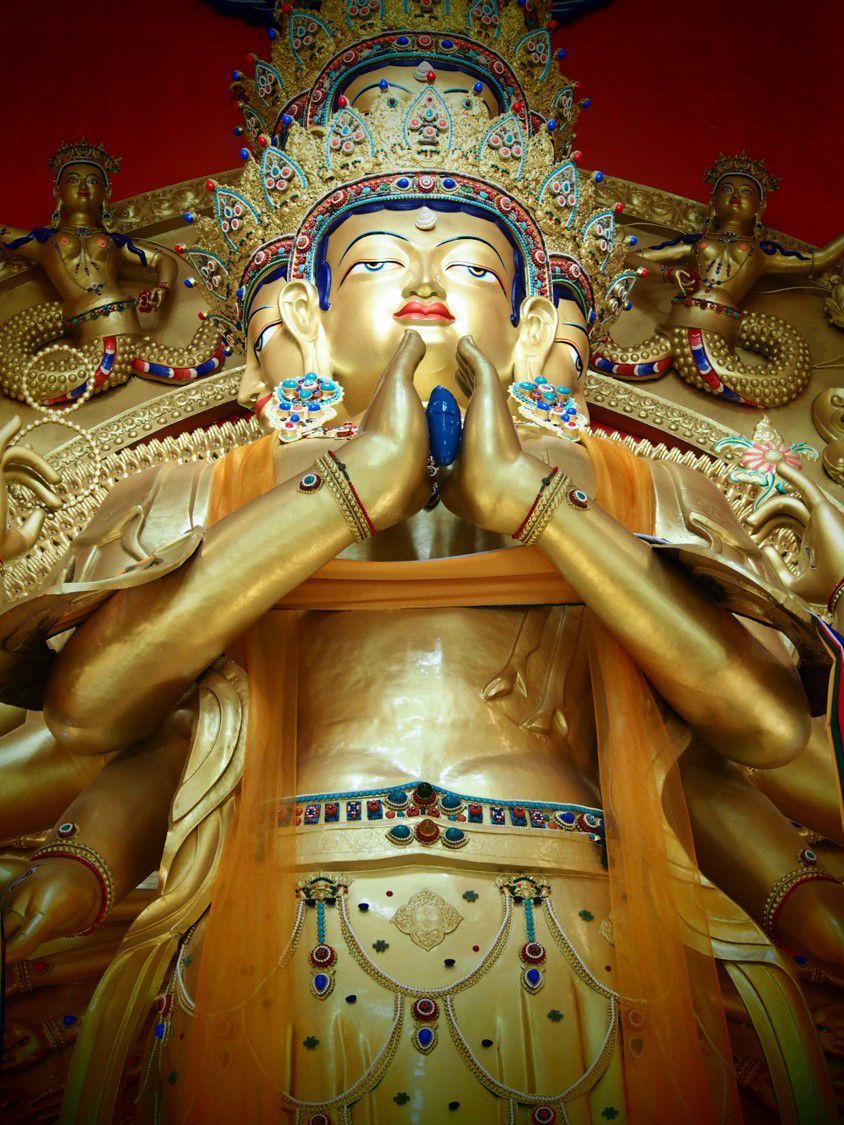
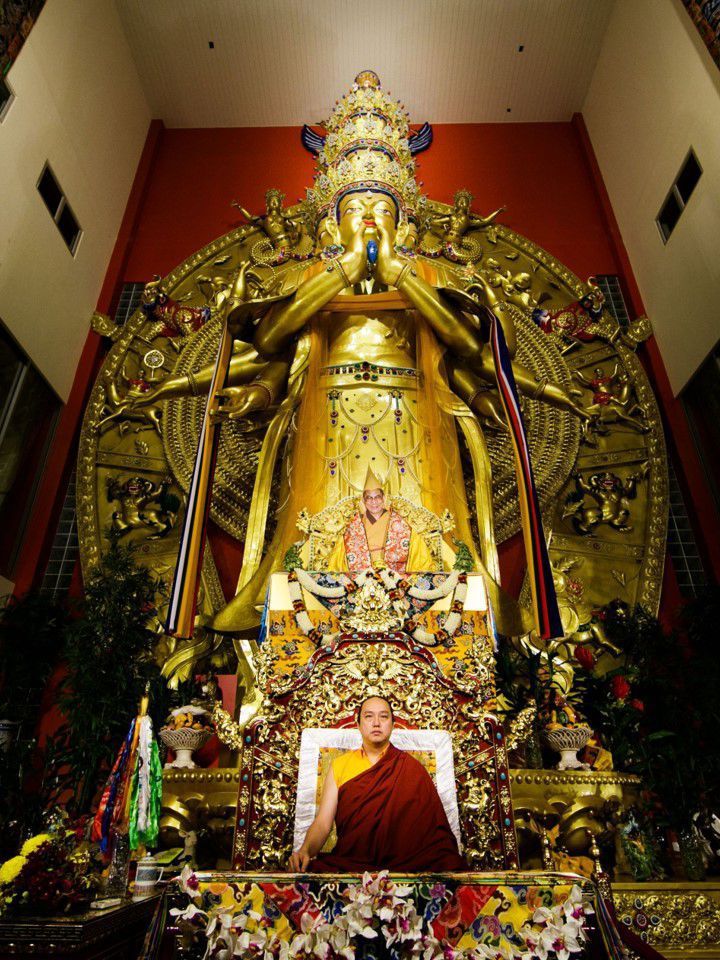
Specially commissioned by Singha Rinpoche, this magnificent rupa of Thousand-Armed Chenrezig stands at 46 feet and is beautifully adorned with pearls, corals, turquoise and dzi-beads.
This rupa is the largest representation of Avalokitesvara in Tibetan style outside of Tibet and China that has been accurately represented and traditionally filled with tsung in the Vajrayana Buddhist tradition under the personal guidance of His Eminence the 6th Kyabje Jhado Rinpoche.
Within the statue are Dharma texts, precious relics and holy objects granted by His Holiness 14th Dalai Lama, His Holiness Sakya Trizin, His Holiness the 17th Gyalwang Karmapa Ogyen Trinley Dorje, His Eminence the 102nd Ganden Tri Rinpoche, His Eminence the 5th Dagri Rinpoche, His Eminence the 6th Kyabje Jhado Rinpoche, His Eminence Tsikey Chokling Rinpoche, His Eminence Kyabje Lama Thubten Zopa Rinpoche and many other precious lineage gurus.
The construction and consecration of this most holy rupa was auspiciously completed on May 2016 at Thekchen Choling (Malaysia) Kota Tinggi.
Dharma Courses
Sacred Mirror
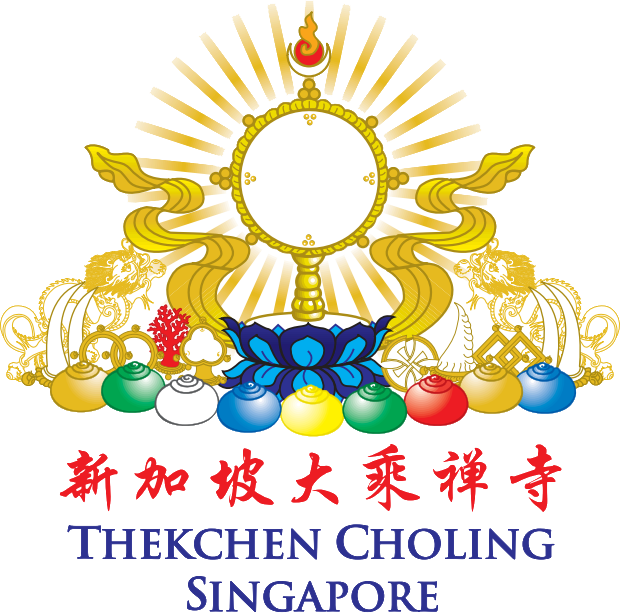
The Sacred Mirror represents consciousness and the element of space. Clear, pure and bright, the mirror reflects all phenomena objectively without bias, thereby reminding us to practice objectivity and to rise above our judgmental minds. On a more subtle level, it reflects the Buddha’s core teaching of emptiness – that nothing exists on its own side without a dependent arising cause.
Pinnacle of the mirror
The pinnacle of the mirror, formed by the white crescent moon, flaming red sun and an orange flame of fire, represents the completion stage of Vajrayana practice.
Light Rays
The light rays radiating from the Sacred Mirror represent the flourishing of the Buddha’s teachings, fanning out to the furthest reaches of the universe.
Full Moon Disc
The moon disc represents Bodhicitta, the aspiration to become a Buddha to benefit all sentient beings.
Blue Lotus
Divinely fragrant, blue lotuses bloomed only in the Buddha’s time. By incorporating it into the temple’s logo, it is symbolic of the ever-present Buddha in Thekchen Choling. Moreover, a lotus flower represents purity, perfection, compassion and renunciation, similar to how the beautiful lotus remains untainted even though it had arisen out from the muddy waters.
Nine Precious Jewels
These nine precious jewels represent the Guru, Buddha, Dharma, Sangha, yidam or mind-seal deity, Dharma protector, the sky, earth, and the human realm.
Two Dragons
The two dragons represent continuity and harmony and create the cause for the temple to enjoy the strong support of members and benefactors for Dharma to flourish.
Golden Khata
The flowing golden khata represents the auspicious increase of all Dharma activities.
The Seven Gems of the Chakravartin or a Wheel-Turning King
1. The precious horse represented by a unicorn’s horn
2. The precious elephant represented by its tusks
3. The precious queen represented by round golden earrings
4. The precious minister represented by square golden earrings
5. The precious general represented by a pair of crossed swords
6. The precious jewel represented by the triple-eyed gem
7. The precious Dharma wheel represented by a branch of coral