
– Shakyamuni Buddha
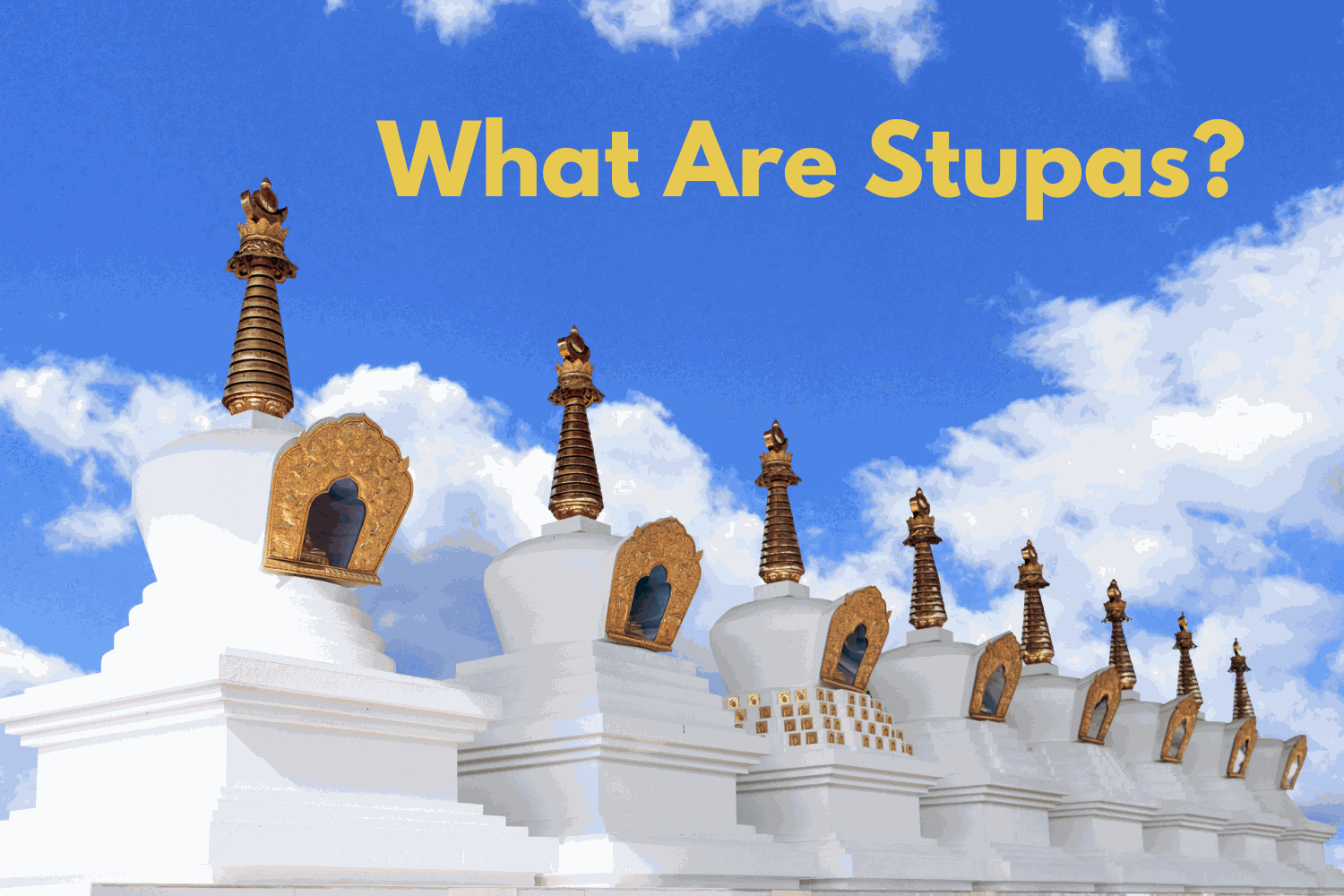
Stupas are deeply embedded in Buddhism as a symbol of Buddha’s enlightenment. This article will dive into the significance of stupas, the benefits of making and circumambulating a stupa, and also introduce the main stupa that we have at Thekchen Choling Singapore.
Significance of Stupas
Stupas are profound symbols of the Buddha’s presence, representing not just his physical form, but also his enlightened mind. Before passing into Parinirvana, the Buddha imparted a significant teaching: “When I pass away you can use my relics, whatever remains of my body, and erect a stupa in a special place. Then you can treat that place, that stupa, in the same way as you would treat myself.” This instruction laid the foundation for the importance of stupas in Buddhism.
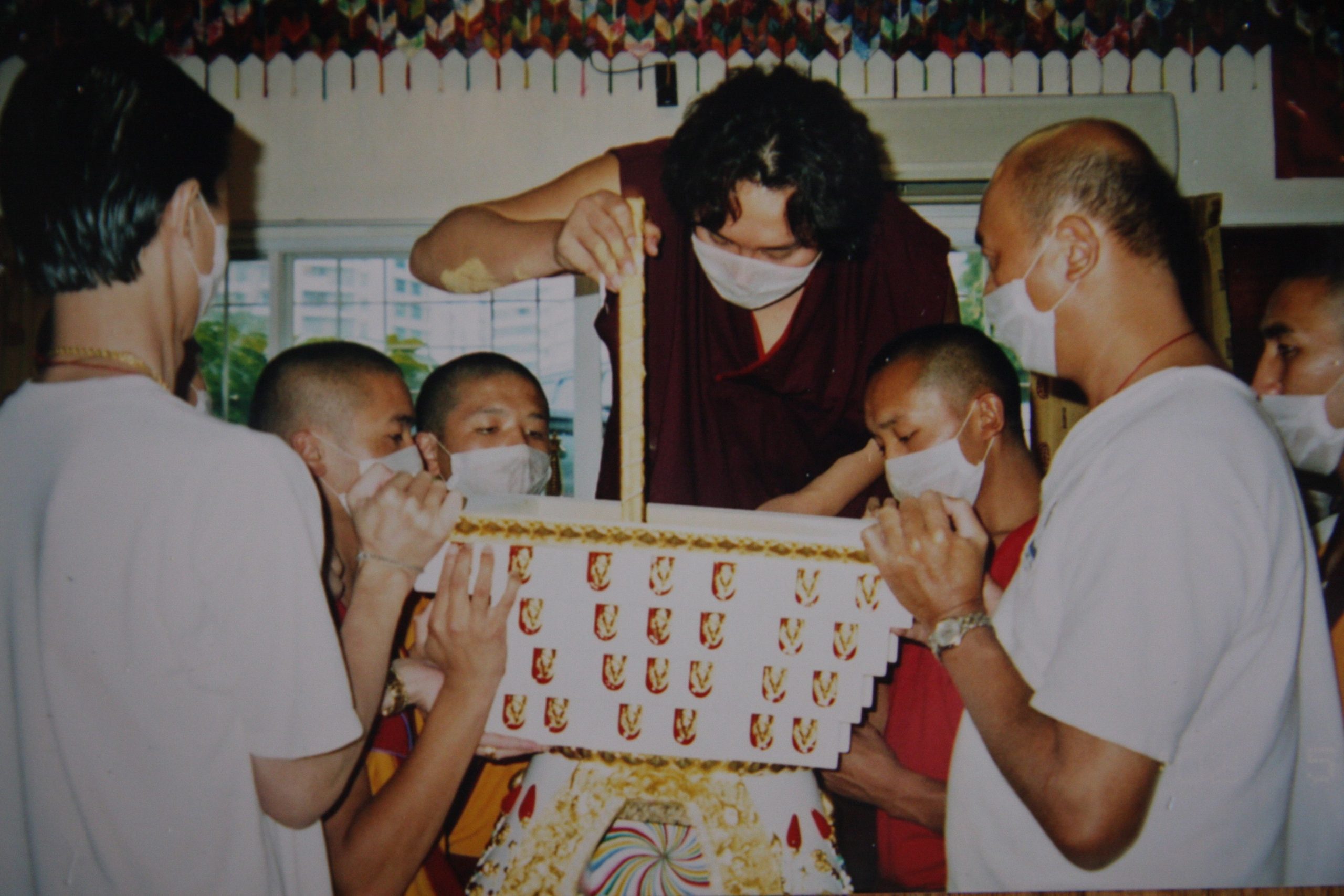
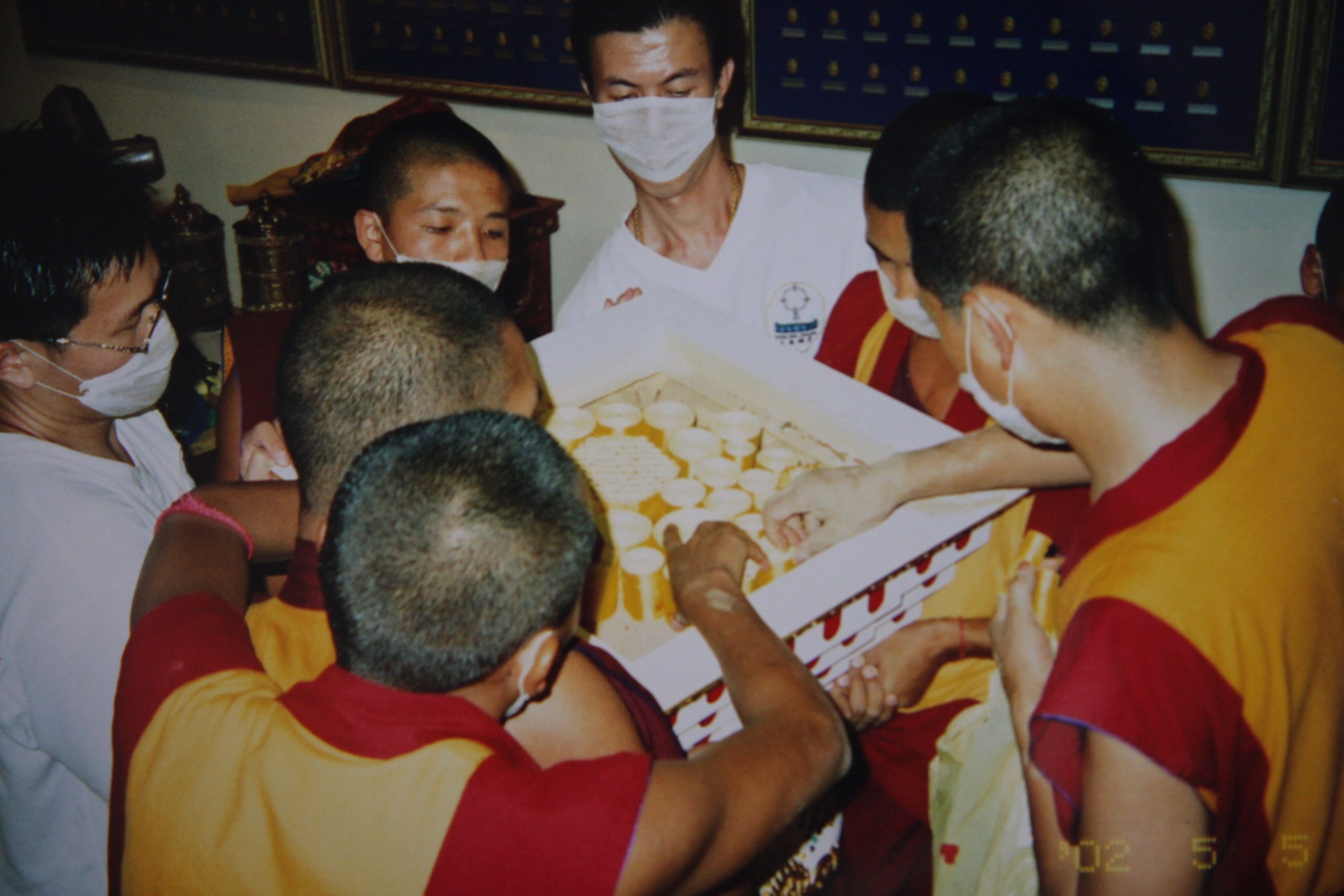
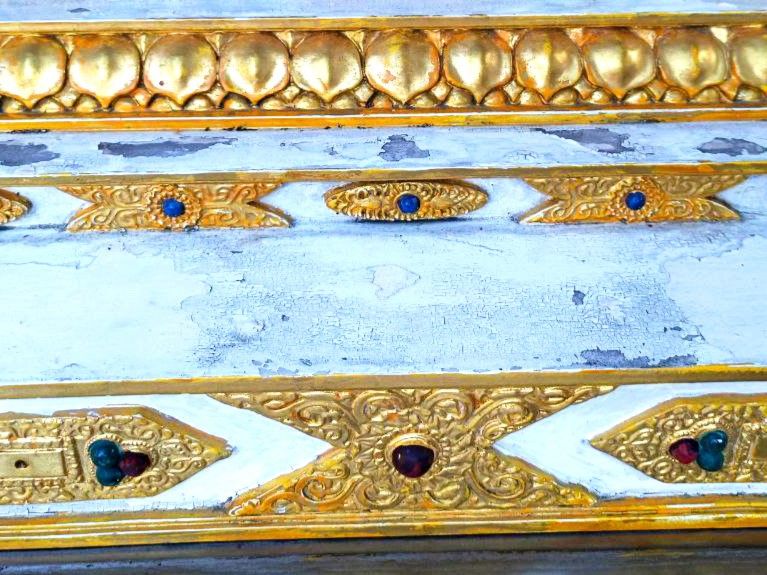
Making a stupa is a complex process which starts with the making of moulds and pouring of material. The stupa is carefully assembled with the highest degree of care to ensure its detailed perfection. The interior is then filled with a life tree, many mantras, holy relics, and precious substances. Finally, the stupa is sealed and painted. The best and most perfect version of workmanship and finish is vital for this holy object, as it reflects the perfection of the Buddha.
The symbolism embedded in a stupa operates on multiple levels, each layer offering profound spiritual meaning. The structure of the stupa is carefully designed to embody the five basic elements—earth, water, fire, air, and space—which are believed to compose the very fabric of the universe and all its phenomena. Each of these elements is represented by a specific geometric shape, creating a harmonious balance that mirrors the natural world.
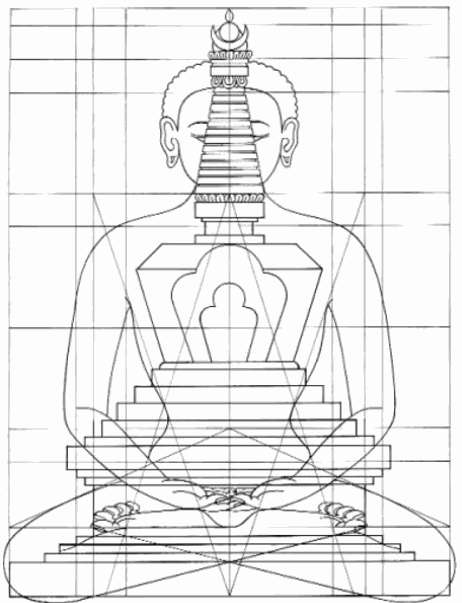
Furthermore, the overall shape of a stupa bears a close resemblance to the image of a seated Buddha. Merely by viewing such harmoniously balanced images we receive subtle benefit, experienced as a feeling of peace, well-being, and wholeness. Finally, it should be noted that the various levels of the stupa correspond to the various levels of the spiritual path culminating in full enlightenment.
Benefits of Stupas
Building a Stupa
The benefits one can receive from building a stupa equal the number of atoms of the stupa and these benefits exist as long as the stupa exists. This is an unimaginable number of benefits and merits that one can receive.
As soon as a stupa is completed and consecrated, in that very second it becomes an object in which beings can create the cause of happiness. Having one more holy object gives sentient beings one more opportunity to create merit, which means that by building a stupa, you are creating opportunities for others to create merits, and this benefits you in turn.
“Building a stupa will create the cause for people to quickly become enlightened. That’s because seeing a stupa is like seeing the Buddha since it represents the Buddha’s heart of enlightenment.” – Singha Rinpoche
Circumambulating a Stupa
For the benefits that can be obtained through circumambulating a stupa, this was explained by Shakyamuni Buddha to Shariputra in the Caitya Pradaksina Gata. Here are some of the summarised benefits:
“Circumambulating is an expression of body,
Circumambulating is an expression of speech,
Circumambulating is an expression of the mind,
Circumambulating is also the expression of aspiration prayer.”
– Shakyamuni Buddha
Thekchen Choling Singapore’s Stupa
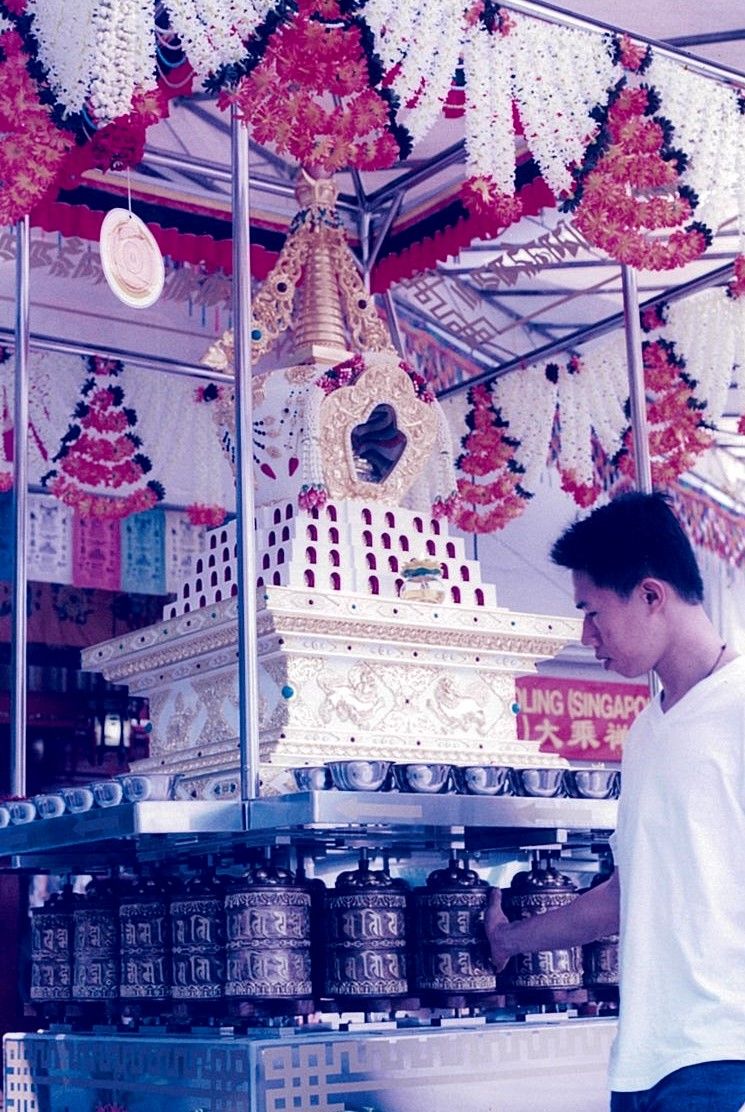
There are eight different types of stupa. The stupa that Thekchen Choling Singapore has is the Stupa of Many Doors. It is situated near the relic hall, near the T-junction of the road. The stupa is placed at a location where it can be visible to everyone, including cars that pass by, so that all can receive the benefits of seeing a stupa.
This stupa was commissioned after Geshe Lama Konchog, one of the root gurus of Singha Rinpoche, manifested passing away in 2001. It contains the precious holy relics of Geshe Lama Konchog and Shakyamuni Buddha, and was first installed at Thekchen Choling’s Bukit Timah premises before relocating to its current site at Beatty Lane.