Feeling the exam stress piling up? We totally get it. Late-night study sessions, the constant race against the clock – it can be tough. But guess what? There are ways to manage and reduce that stress through self-care, and we’re here to guide you through it!
First things first, what’s self-care? It’s not just a trendy term; it’s all about taking care of your physical and mental well-being. No need for complicated rituals or extra hours in the day.
At Thekchen Choling Singapore, we blend universal self-care with a touch of Buddhist wisdom. So, if you want to know how to tackle exam stress, keep reading for some simple and practical self-care tips. After all, we all have just 24 hours in a day, and it’s vital to make each moment count.
Did you know that sleep is your brain’s best friend? It’s true! Eight hours of quality sleep can work wonders for your focus and memory. Establish a calming bedtime routine: no heavy dinners close to bedtime, a warm shower, and steer clear of digital devices. Instead, unwind with a good book or soothing sounds. Meditation, listening to mantra chants or a moment of prayer can help too. Remember, good sleep equals better exam performance.
Feeling tempted to stress-eat? We’ve all been there, but sugary snacks and energy drinks won’t help. Opt for a balanced diet with nuts, oats, whole grains, and brain-boosting foods like fish and leafy greens. Don’t skip regular meals and stay hydrated. If plain water isn’t your thing, add flavour with fruits, veggies, or herbs.
As a food for thought before eating, consider this Theravada Buddhist Prayer:
“Wisely reflecting, I use this food not for fun or pleasure, but for maintaining and nourishing my body, promoting health, and supporting my spiritual journey. I’ll eat to satisfy hunger without overindulging, living with contentment and ease.”
Picture your daily routine like a warm hug amidst chaos. Carve out time for solitude and stress relief. Whether it’s journaling, meditation, reciting mantras, or mindful breathing, these practices can ease anxiety and give you a sense of control.
Try reciting the mantra “Om Mani Padme Hung.” It embodies compassion and can help soothe your mind, bringing tranquillity.
No matter how packed your schedule, squeeze in some exercise. Even 15 minutes of movement can boost your mood. Go for a walk, dance, or play your favourite sport. Exercise triggers those feel-good endorphins, making you ready to face those exams head-on.
Studying non-stop? Bad idea! Taking breaks is key to staying productive and avoiding burnout. Enjoy activities you love, spend time with friends, or pamper yourself with self-care rituals. Mindful breathing can help calm your mind, and a short walk outside can refresh you and create a clear distinction between study and break time.
Did you know an organized environment can boost your focus? Declutter your study area for a clearer mind. Personalize your space with essentials, healthy snacks, and some background music. Make it a sanctuary for learning, just like a peaceful monastery for meditation.
Positive company can work wonders for your well-being. Seek out friends who uplift and support you. Sharing experiences and successes with positive friends can make exams feel more enjoyable.
Don’t overwhelm yourself. Break your study material into smaller tasks and celebrate every small achievement. Gradual progress is the key, just as Buddha teaches us to take one breath at a time.
Experiencing stress over memory? Try reciting “Om Ah Ra Pa Dza Na Dhi,” the mantra of Lord Manjushri, the embodiment of wisdom. This mantra can enhance your wisdom and aid in retaining knowledge.
So remember, exams are just a part of your journey. Prioritize self-care, mindfulness, and positivity, and you’ll not only ace your exams but nurture your happiness and personal growth along the way. Good luck!
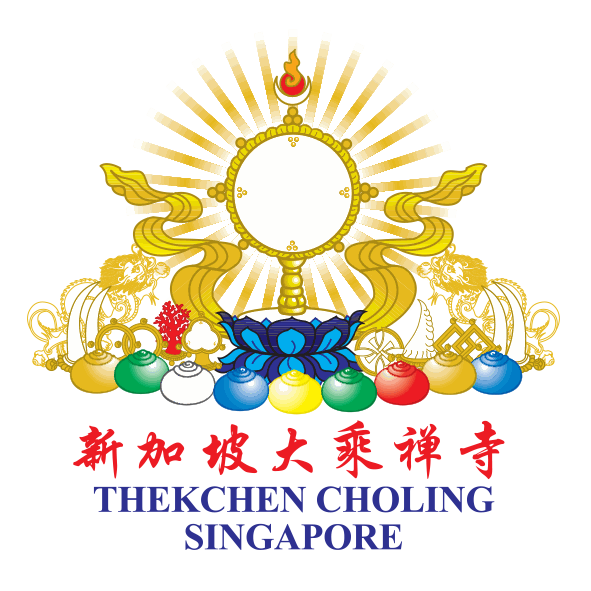
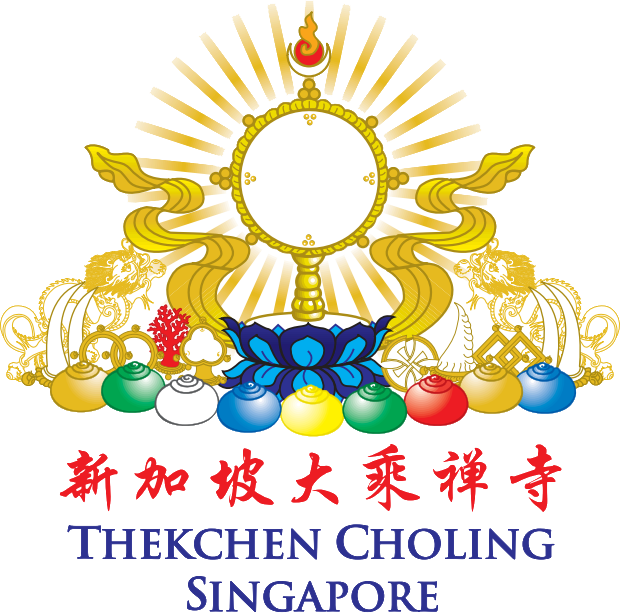
Sacred Mirror
The Sacred Mirror represents consciousness and the element of space. Clear, pure and bright, the mirror reflects all phenomena objectively without bias, thereby reminding us to practice objectivity and to rise above our judgmental minds. On a more subtle level, it reflects the Buddha’s core teaching of emptiness – that nothing exists on its own side without a dependent arising cause.
Pinnacle of the mirror
The pinnacle of the mirror, formed by the white crescent moon, flaming red sun and an orange flame of fire, represents the completion stage of Vajrayana practice.
Light Rays
The light rays radiating from the Sacred Mirror represent the flourishing of the Buddha’s teachings, fanning out to the furthest reaches of the universe.
Full Moon Disc
The moon disc represents Bodhicitta, the aspiration to become a Buddha to benefit all sentient beings.
Blue Lotus
Divinely fragrant, blue lotuses bloomed only in the Buddha’s time. By incorporating it into the temple’s logo, it is symbolic of the ever-present Buddha in Thekchen Choling. Moreover, a lotus flower represents purity, perfection, compassion and renunciation, similar to how the beautiful lotus remains untainted even though it had arisen out from the muddy waters.
Nine Precious Jewels
These nine precious jewels represent the Guru, Buddha, Dharma, Sangha, yidam or mind-seal deity, Dharma protector, the sky, earth, and the human realm.
Two Dragons
The two dragons represent continuity and harmony and create the cause for the temple to enjoy the strong support of members and benefactors for Dharma to flourish.
Golden Khata
The flowing golden khata represents the auspicious increase of all Dharma activities.
The Seven Gems of the Chakravartin or a Wheel-Turning King
1. The precious horse represented by a unicorn’s horn
2. The precious elephant represented by its tusks
3. The precious queen represented by round golden earrings
4. The precious minister represented by square golden earrings
5. The precious general represented by a pair of crossed swords
6. The precious jewel represented by the triple-eyed gem
7. The precious Dharma wheel represented by a branch of coral